Why Your Hair Is Thinning: Common Causes and the Real Treatment Options
Finding more hair in the drain or a wider part in the mirror can be unsettling, and the first instinct is often to reach for whatever product promises the fastest fix. A wiser first step is to understand why hair thins, because the cause determines the treatment. Hair loss is not a single condition, and a treatment that helps one type does little for another. Sorting out the reason is the foundation of any realistic hair restoration plan.
The hair growth cycle
Every hair follicle moves through a cycle: a long growth phase, a short transition, and a resting phase that ends with the hair shedding so a new one can grow. At any time a healthy scalp has most follicles growing and a small share resting. Losing around fifty to one hundred hairs a day is normal. Trouble appears when more follicles than usual shift into resting and shedding, or when follicles shrink and stop producing visible hair. Different causes disturb the cycle in different ways.
The most common causes
Pattern hair loss, known medically as androgenetic alopecia, is by far the most common cause in both men and women. It is driven by genetics and hormones and tends to follow predictable patterns, a receding hairline and crown thinning in men, and widening of the part in women. It is gradual and permanent without treatment, but it often responds when addressed early.
Beyond genetics, a long list of factors can trigger shedding. Telogen effluvium is a temporary, heavy shedding set off by a stressor such as illness, surgery, childbirth, rapid weight loss, or emotional stress, usually two to three months after the event. Thyroid disorders, iron deficiency, and other nutritional gaps commonly thin hair. Certain medications, tight hairstyles that pull on the roots, and autoimmune conditions such as alopecia areata each cause their own pattern of loss.
Androgenetic alopecia: genetic and hormonal pattern loss
Telogen effluvium: temporary shedding after a stressor
Thyroid disease and iron or nutrient deficiency
Medications and hormonal changes
Alopecia areata and other autoimmune causes
A resting hair sheds months later
Telogen effluvium, a common temporary form of hair loss, usually shows up two to three months after the event that triggered it, such as illness, surgery, or childbirth. Because of that delay, people often connect the shedding to the wrong cause, which is one reason a careful history helps.
Iron and thyroid affect hair
Low iron levels and thyroid disorders are common and frequently overlooked causes of thinning hair. Because correcting these underlying issues can improve the hair, blood work is often part of a proper evaluation rather than jumping straight to scalp treatments.
Early treatment works better
Across the common treatments for pattern hair loss, starting while follicles are still active and miniaturizing, rather than after years of loss, consistently produces better results. Once follicles have been dormant for a long time, far fewer options can bring them back.
Why diagnosis comes first
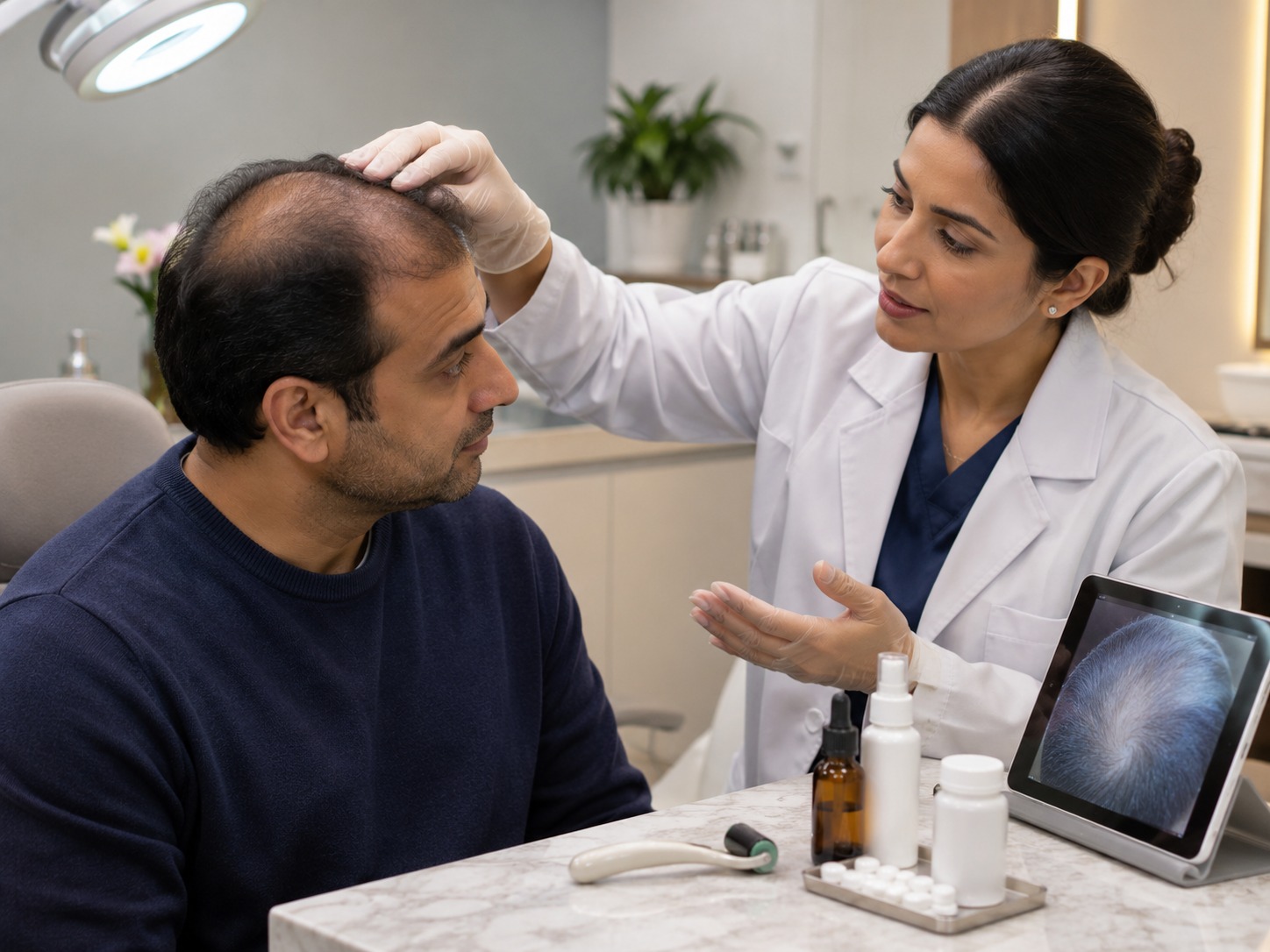
Because the causes differ so much, the single most useful step is an accurate diagnosis. A temporary shedding from stress or illness often recovers on its own once the trigger passes, and no aggressive treatment is needed. Hair loss from low iron or a thyroid problem improves when the underlying issue is corrected, not when a scalp serum is applied. Treating every case as if it were genetic pattern loss wastes time and money and can delay care for a condition that needed attention. Blood work and a scalp exam usually point the way.
Treatment options that have evidence
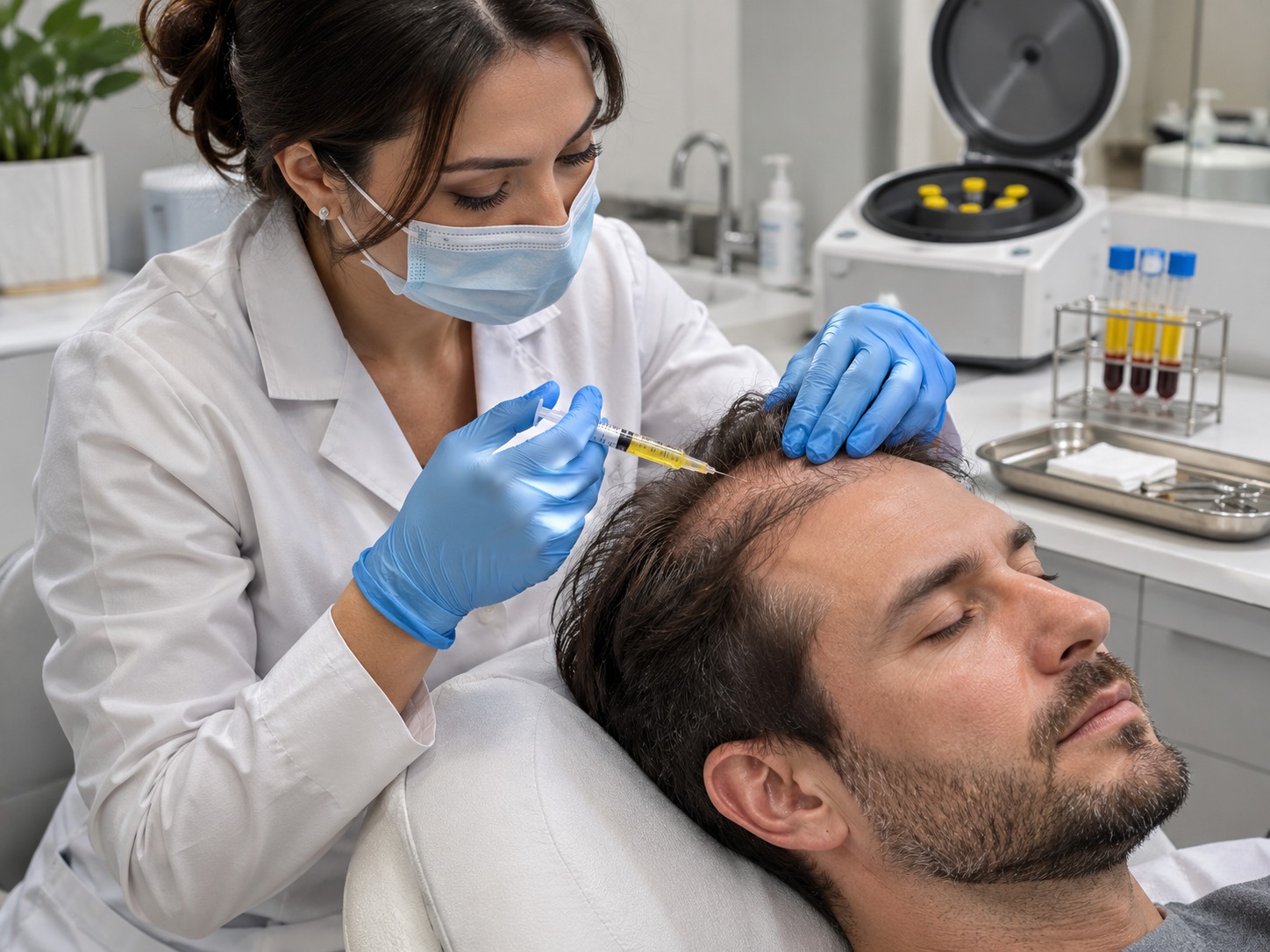
For genuine pattern hair loss, a few treatments have stood up to study. Minoxidil, applied to the scalp as a liquid or foam, helps many people slow loss and regrow some hair, and it is available without a prescription. Finasteride, an oral medication for men, lowers the hormone that shrinks follicles and has solid evidence behind it. Platelet-rich plasma injections, or PRP, show modest but real benefit in research and are often combined with the above. For suitable candidates with stable donor hair, surgical hair transplantation moves follicles from fuller areas to thinning ones and can give lasting results.
It is worth being honest that no treatment reliably restores a full head of hair once follicles are long gone, and that most options require ongoing use to hold their gains. The realistic goal of most hair restoration is to slow loss, thicken what remains, and in some cases recover moderate density, rather than to turn back the clock completely. Supplements and devices marketed with dramatic before-and-after images rarely match that honesty, so claims deserve a skeptical eye.
Building a sensible plan
A sensible approach starts with a diagnosis, treats any correctable cause such as iron deficiency or thyroid imbalance, and then matches established therapies to the type of loss. Starting early, while follicles are still active, consistently gives better results than waiting. People comparing their options often read clinic and dermatology resources, including pages such as www.bodyrejuvenationmd.com, to understand how treatments are combined and what timelines are realistic before they begin.
How men's and women's hair loss differ
Although genetics drive pattern loss in both sexes, it looks different. Men typically lose hair at the temples and crown, sometimes progressing to a horseshoe pattern that follows a well-known scale. Women more often experience diffuse thinning across the top of the scalp with a widening part, while usually keeping the frontal hairline. These differences matter for treatment, because some options, notably finasteride, are used mainly in men, and because sudden or patchy loss in a woman, or loss with other symptoms, can signal a hormonal or medical cause that deserves a closer look.
Nutrition, crash diets, and hair
Hair is sensitive to the body's overall state, and nutrition plays a quiet role. Rapid weight loss, very low-calorie diets, and low protein intake can push follicles into shedding, often a couple of months later. Shortfalls in iron, vitamin D, zinc, and certain B vitamins are linked to hair problems, though taking supplements without a deficiency rarely helps, and large doses of some nutrients can even worsen shedding. A balanced diet with adequate protein and iron supports hair better than any single pill, and testing can identify a true gap worth correcting.
Common myths worth dropping
Several common beliefs about hair loss are simply wrong. Frequent shampooing does not cause balding, and the hair left in the drain is usually normal shedding rather than evidence of a washing mistake. Hats do not cause pattern loss. Hair loss is not inherited only from the mother's side; genes from both parents contribute. Products promising to regrow a full head of hair overnight, or blaming a single food or toxin, run ahead of the evidence. Separating these myths from the real, treatable causes saves people from wasted effort and misplaced worry.
When to see a professional
A few situations call for prompt evaluation rather than watchful waiting: sudden or patchy hair loss, loss accompanied by itching, pain, or scaling, shedding after starting a new medication, or thinning paired with other symptoms such as fatigue or weight change. Scarring forms of hair loss, which destroy the follicle permanently, need early treatment to limit damage, which is why a dermatologist's assessment matters when the pattern is unusual. For ordinary gradual thinning, an evaluation still helps by confirming the cause and starting effective treatment while follicles remain active. The thread through all of it is that hair loss rewards attention and accurate diagnosis far more than panic or expensive guesswork.
Hair transplants and day-to-day care
For people with advanced pattern loss and a stable zone of donor hair, surgical transplantation is the option that physically relocates follicles from fuller areas, usually the back and sides, to thinning regions. Modern techniques move follicles in small, natural-looking units, and because the transplanted follicles are generally resistant to the hormone that drives pattern loss, the results tend to last. Transplantation does not create new hair, though; it redistributes what a person has, so it works best when enough donor hair remains and when expectations match the supply. Many people continue medical treatments afterward to protect the hair they did not transplant.
Day-to-day care will not reverse genetic hair loss, but gentle habits can protect fragile hair. Avoiding tight hairstyles that pull on the roots helps prevent a type of loss caused by tension. Limiting harsh heat and chemical treatments reduces breakage, which is different from true loss but adds to the look of thinning. Volumizing cuts, and for some people cosmetic options such as fibers or scalp pigmentation, can improve appearance while medical treatment does its slower work. These steps manage the experience of thinning hair while the underlying plan addresses the cause.
The reassuring truth about hair loss is that understanding it takes away much of its power to frighten. Most thinning has a nameable cause, many causes are treatable or temporary, and the treatments that work for pattern loss work best when started early and matched to the right diagnosis. Panic, expensive mystery products, and waiting for the problem to fix itself are the common mistakes. A calm, informed approach, beginning with finding out why the hair is thinning, consistently serves people better than chasing the loudest promise on the shelf. Knowledge, not fear, is what moves a person toward a real result.
Thinning hair has many causes, and the right response depends entirely on which one is at work, which is why a clear diagnosis matters more than any single product. The information here is educational and is not a substitute for professional medical advice, and anyone worried about hair loss should have the cause assessed by a licensed provider. Grounded in an accurate diagnosis and realistic expectations, a hair restoration plan can make a real difference, especially when it begins early.
The city is known as the home of Gulfstream Park (horse racing and casino) and Big Easy Casino, which hosts the World Classic. It also has a sizable downtown financial district with banks, brokerage houses, and restaurants. Together with neighbouring Hollywood, Florida, it is a popular center for Canadian tourists,[10] leading to its description as "Canada's southernmost city."[1][2]
View from Hallandale Beach Apartments (January 2019)
Railroad magnate Henry Flagler, owner of the Florida East Coast Railway, recruited Luther Halland, a brother-in-law of Flagler's agents, to found a settlement south of the community of Dania. Halland and Swedish immigrant Olaf Zetterlund touted the frost-free climate and cheap land of the settlement (then named Halland, later changed to Hallandale). Halland constructed a small trading post and became the first postmaster of the small community.
By 1900, the community had slowly grown to a dozen families—seven of Swedish, three of English, and two of African American descent. In 1904, the first school was built, and the first church followed two years later. Hallandale was primarily a farming community.
Hallandale was incorporated on May 14, 1927, the eighth municipality in Broward County. By that time, a thriving community of 1,500 residents, with electricity and street lights, was in place. In 1947, the Town of Hallandale was reincorporated as the City of Hallandale, allowing it to expand its borders through annexation of nearby unincorporated land lying adjacent to the Atlantic shore. On August 27, 1999, the city officially changed its name to Hallandale Beach.[5]
According to the United States Census Bureau, the city has a total area 4.55 square miles (12 km2). of which .34 sq mi (1 km2) (7.47%) is covered by water.
Although a map apparently shows that a small portion of the Golden Isles neighborhood extends into Miami-Dade County, this land was actually transferred to Broward County, and annexed to Hallandale Beach in 1978.[11]
As of the 2020 census, Hallandale Beach had a population of 41,217. The median age was 46.9 years. 16.0% of residents were under the age of 18 and 24.4% of residents were 65 years of age or older. For every 100 females there were 89.3 males, and for every 100 females age 18 and over there were 87.4 males age 18 and over.[16][17]
100.0% of residents lived in urban areas, while 0.0% lived in rural areas.[18]
There were 19,512 households in Hallandale Beach, of which 20.8% had children under the age of 18 living in them. Of all households, 34.5% were married-couple households, 23.6% were households with a male householder and no spouse or partner present, and 35.5% were households with a female householder and no spouse or partner present. About 38.5% of all households were made up of individuals and 17.8% had someone living alone who was 65 years of age or older.[16] There were 9,135 families residing in the city.[19]
There were 28,443 housing units, of which 31.4% were vacant. The homeowner vacancy rate was 2.0% and the rental vacancy rate was 10.0%.[16]
As of the 2000 census, of the 18,051 households, 12.5% had children under 18 living with them, 35.8% were married couples living together, 9.1% had a female householder with no husband present, and 51.8% were not families. About 45.2% of all households were made up of individuals, and 25.8% had someone living alone who was 65 or older. The average household size was 1.88 and the average family size was 2.60.
In 2000, in the city, the age distribution was 13.2% under 18, 5.3% from 18 to 24, 22.9% from 25 to 44, 22.8% from 45 to 64, and 35.8% who were 65 or older. The median age was 53 years. For every 100 females, there were 85.6 males. For every 100 females 18 and over, there were 82.6 males.
In 2000, the median income for a household in the city was $28,266, and for a family was $37,171. Males had a median income of $31,287 versus $24,882 for females. The per capita income for the city was $22,464. About 13.1% of families and 16.8% of the population were below the poverty line, including 26.4% of those under 18 and 13.0% of those 65 or over.
In almost all areas, elementary and middle school students are zoned for Gulfstream Academy of Hallandale Beach for kindergarten to grade 8.[24] A portion of the city is zoned to Colbert Elementary School and McNicol Middle School.[25][26] In all areas, high school students are zoned for Hallandale High School.[27] Private academies eschewing the public system are present in the area. [citation needed]
A free community minibus service, operated by the city of Hallandale Beach, also operates on four routes within the city limits and neighboring areas of Hollywood and Aventura.[31]
^"Top 50 TV markets ranked by households". Northwestern University Media Management Center. Archived from the original on August 7, 2007. Retrieved September 23, 2007.
50% of males, 25% of females (pattern hair loss by age 50)[4][6]
Explanatory video with English subtitles: What causes hair loss? (in 96 seconds)
Hair loss, also known as alopecia or baldness, refers to a loss of hair from part of the head or body.[2] Typically at least the head is involved.[4] The severity of hair loss can vary from a small area to the entire body.[7]Inflammation or scarring is not usually present.[4] Hair loss in some people causes psychological distress.[3]
Common types include male- or female-pattern hair loss, alopecia areata, and a thinning of hair known as telogen effluvium.[4] The cause of male-pattern hair loss is a combination of genetics and male hormones; the cause of female pattern hair loss is unclear; the cause of alopecia areata is autoimmune; and the cause of telogen effluvium is typically a physically or psychologically stressful event.[4] Telogen effluvium is very common following pregnancy.[4]
Treatment of pattern hair loss may simply involve accepting the condition, which can also include shaving one's head.[4] Interventions that can be tried include the medication minoxidil (or finasteride) and hair transplant surgery.[5][6] Alopecia areata may be treated by steroid injections in the affected area, but these need to be frequently repeated to be effective.[4] Hair loss is a common experience.[4] Pattern hair loss by age 50 affects about half of men and a quarter of women.[4] About 2% of people develop alopecia areata at some point in time.[4]
Baldness is the partial or complete lack of hair growth, and part of the wider topic of "hair thinning". The degree and pattern of baldness varies, but its most common cause is androgenic hair loss, alopecia androgenetica, or alopecia seborrheica, with the last term primarily used in Europe.[citation needed][2]
Hypotrichosis is a condition of abnormal hair patterns, predominantly loss or reduction. It occurs, most frequently, by the growth of vellus hair in areas of the body that normally produce terminal hair. Typically, the individual's hair growth is normal after birth, but shortly thereafter the hair is shed and replaced with sparse, abnormal hair growth. The new hair is typically fine, short and brittle, and may lack pigmentation. Baldness may be present by the time the subject is 25 years old.[8]
Symptoms of hair loss include hair loss in patches usually in circular patterns, dandruff, skin lesions, and scarring. Alopecia areata (mild – medium level) usually shows in unusual hair loss areas, e.g., eyebrows, backside of the head or above the ears, areas the male pattern baldness usually does not affect. In male-pattern hair loss, loss and thinning begin at the temples and the crown and hair either thins out or falls out. Female-pattern hair loss occurs at the frontal and parietal.[9]
People have between 100,000 and 150,000 hairs on their head. The number of strands normally lost in a day varies but on average is 100.[9] In order to maintain a normal volume, hair must be replaced at the same rate at which it is lost. The first signs of hair thinning that people will often notice are more hairs than usual left in the hairbrush after brushing or in the basin after shampooing. Styling can also reveal areas of thinning, such as a wider parting or a thinning crown.[10]
Throughout his political career, Urho Kekkonen, the President of Finland, was well known for his baldness. He was last known to have had hair in about the 1920s.[11] This photo is of Kekkonen in 1959.
A substantially blemished face, back and limbs could point to cystic acne. The most severe form of the condition, cystic acne, arises from the same hormonal imbalances that cause hair loss and is associated with dihydrotestosterone production.[12]
The psychology of hair thinning is a complex issue. Hair is considered an essential part of overall identity: especially for women, for whom it often represents femininity and attractiveness. Men typically associate a full head of hair with youth and vigor. People experiencing hair thinning often find themselves in a situation where their physical appearance is at odds with their own self-image and commonly worry that they appear older than they are or less attractive to others. Psychological problems due to baldness, if present, are typically most severe at the onset of symptoms.[13] Two meta analyses on androgenetic alopecia revealed psychosocial distress levels to be moderate, on average, rather than severe and that balding men were no more likely to have depression or self esteem issues compared to non-balding men.[14][15]
Hair loss induced by cancer chemotherapy has been reported to cause changes in self-concept and body image. Body image does not return to the previous state after regrowth of hair for a majority of patients. In such cases, patients have difficulties expressing their feelings (alexithymia) and may be more prone to avoiding family conflicts. Family therapy can help families to cope with these psychological problems if they arise.[16]
Male pattern hair loss is believed to be due to a combination of genetics and the male hormonedihydrotestosterone.[4] The cause in female pattern hair loss remains unclear.[4]
Demodex folliculitis, caused by Demodex folliculorum, a microscopic mite that feeds on the sebum produced by the sebaceous glands, denies hair essential nutrients and can cause thinning. Demodex folliculorum is not present on every scalp and is more likely to live in an excessively oily scalp environment.
Traction alopecia is most commonly found in people with ponytails or cornrows who pull on their hair with excessive force. In addition, rigorous brushing and heat styling, rough scalp massage can damage the cuticle, the hard outer casing of the hair. This causes individual strands to become weak and break off, reducing overall hair volume.
Frictional alopecia is hair loss caused by rubbing of the hair or follicles, most infamously around the ankles of men from socks, where even if socks are no longer worn, the hair often will not grow back.
Trichotillomania is the loss of hair caused by compulsive pulling and bending of the hairs. Onset of this disorder tends to begin around the onset of puberty and usually continues through adulthood. Due to the constant extraction of the hair roots, permanent hair loss can occur.
Traumas such as childbirth, major surgery, poisoning, and severe stress may cause a hair loss condition known as telogen effluvium,[22] in which a large number of hairs enter the resting phase at the same time, causing shedding and subsequent thinning. The condition also presents as a side effect of chemotherapy – while targeting dividing cancer cells, this treatment also affects hair's growth phase with the result that almost 90% of hairs fall out soon after chemotherapy starts.[23][failed verification]
Radiation to the scalp, as when radiotherapy is applied to the head for the treatment of certain cancers there, can cause baldness of the irradiated areas.
Hair loss often follows childbirth in the postpartum period without causing baldness (telogen effluvium). During pregnancy, the hair is thicker owing to increased circulating estrogens. Approximately three months after giving birth (typically between 2 and 5 months), estrogen levels drop and hair loss occurs, often particularly noticeably around the hairline and temple area. Hair typically grows back normally and treatment is not indicated.[24][25] A similar situation occurs in women taking the fertility-stimulating drug clomiphene.
Autoimmune disease. Alopecia areata is an autoimmune disorder also known as "spot baldness" that can result in hair loss ranging from just one location (Alopecia areata monolocularis) to every hair on the entire body (Alopecia areata universalis). Although thought to be caused by hair follicles becoming dormant, what triggers alopecia areata is not known. In most cases the condition corrects itself, but it can also spread to the entire scalp (alopecia totalis) or to the entire body (alopecia universalis).
Skin diseases and cancer. Localized or diffuse hair loss may also occur in cicatricial alopecia (lupus erythematosus, lichen plano pilaris, folliculitis decalvans, central centrifugal cicatricial alopecia, postmenopausal frontal fibrosing alopecia, etc.). Tumours and skin outgrowths also induce localized baldness (sebaceous nevus, basal cell carcinoma, squamous cell carcinoma). Tumor alopecia is the hair loss in the immediate vicinity of either benign or malignant tumors of the scalp.[26]: 762
Hypothyroidism (an under-active thyroid) and the side effects of its related medications can cause hair loss, typically frontal, which is particularly associated with thinning of the outer third of the eyebrows (also seen with syphilis). Hyperthyroidism (an over-active thyroid) can also cause hair loss, which is parietal rather than frontal.[27][unreliable medical source?]
Sebaceous cysts. Temporary loss of hair can occur in areas where sebaceous cysts are present for considerable duration (normally one to several weeks).
Congenital triangular alopecia – It is a triangular, or oval in some cases, shaped patch of hair loss in the temple area of the scalp that occurs mostly in young children. The affected area mainly contains vellus hair follicles or no hair follicles at all, but it does not expand. Its causes are unknown, and although it is a permanent condition, it does not have any other effect on the affected individuals.[28]
Hair growth conditions. Gradual thinning of hair with age is a natural condition known as involutional alopecia. This is caused by an increasing number of hair follicles switching from the growth, or anagen, phase into a resting phase, or telogen phase, so that remaining hairs become shorter and fewer in number. An unhealthy scalp environment can play a significant role in hair thinning by contributing to miniaturization or causing damage.[citation needed]
Obesity. Obesity-induced stress, such as that induced by a high-fat diet (HFD), targets hair follicle stem cells (HFSCs) to accelerate hair thinning in mice. It is likely that similar molecular mechanism play a role in human hair loss.[29]
Hair follicle growth occurs in cycles. Each cycle consists of a long growing phase (anagen), a short transitional phase (catagen) and a short resting phase (telogen). At the end of the resting phase, the hair falls out (exogen) and a new hair starts growing in the follicle, beginning the cycle again.[2]
Normally, about 40 (0–78 in men) hairs reach the end of their resting phase each day and fall out.[31] When more than 100 hairs fall out per day, clinical hair loss (telogen effluvium) may occur.[citation needed] A disruption of the growing phase causes abnormal loss of anagen hairs (anagen effluvium).
Because they are not usually associated with an increased loss rate, male-pattern and female-pattern hair loss do not generally require testing. If hair loss occurs in a young man with no family history, drug use could be the cause.
The pull test helps to evaluate diffuse scalp hair loss. Gentle traction is exerted on a group of hairs (about 40–60) on three different areas of the scalp. The number of extracted hairs is counted and examined under a microscope. Normally, fewer than three hairs per area should come out with each pull. If more than ten hairs are obtained, the pull test is considered positive.[32]
The pluck test is conducted by pulling hair out "by the roots". The root of the plucked hair is examined under a microscope to determine the phase of growth, and is used to diagnose a defect of telogen, anagen, or systemic disease. Telogen hairs have tiny bulbs without sheaths at their roots. Telogen effluvium shows an increased percentage of hairs upon examination. Anagen hairs have sheaths attached to their roots. Anagen effluvium shows a decrease in telogen-phase hairs and an increased number of broken hairs.[citation needed]
Scalp biopsy is used when the diagnosis is unsure; a biopsy allows for differing between scarring and nonscarring forms. Hair samples are taken from areas of inflammation, usually around the border of the bald patch.[citation needed]
Daily hair counts are normally done when the pull test is negative. It is done by counting the number of hairs lost. The hair from the first morning combing or during washing should be counted. The hair is collected in a clear plastic bag for 14 days. The strands are recorded. If the hair count is >100/day, it is considered abnormal except after shampooing, where hair counts will be up to 250 and be normal.[citation needed]
Trichoscopy is a noninvasive method of examining hair and scalp. The test may be performed with the use of a handheld dermoscope or a video dermoscope. It allows differential diagnosis of hair loss in most cases.[33]
There are two types of identification tests for female pattern baldness: the Ludwig Scale and the Savin Scale. Both track the progress of diffused thinning, which typically begins on the crown of the head behind the hairline, and becomes gradually more pronounced. For male pattern baldness, the Hamilton–Norwood scale tracks the progress of a receding hairline and/or a thinning crown, through to a horseshoe-shaped ring of hair around the head and on to total baldness.[citation needed]
In almost all cases of thinning, and especially in cases of severe hair loss, it is recommended to seek advice from a doctor or dermatologist. Many types of thinning have an underlying genetic or health-related cause, which a qualified professional will be able to diagnose.[citation needed]
One method of hiding hair loss is the comb over, which involves restyling the remaining hair to cover the balding area. It is usually a temporary solution, useful only while the area of hair loss is small. As the hair loss increases, a comb over becomes less effective.
Another method is to wear a hat or a hairpiece such as a wig or toupee. The wig is a layer of artificial or natural hair made to resemble a typical hair style. In most cases the hair is artificial. Wigs vary widely in quality and cost. In the United States, the best wigs – those that look like real hair – cost up to tens of thousands of dollars. Organizations also collect individuals' donations of their own natural hair to be made into wigs for young cancer patients who have lost their hair due to chemotherapy or other cancer treatment in addition to any type of hair loss.
Though not as common as the loss of hair on the head, chemotherapy, hormone imbalance, forms of hair loss, and other factors can also cause loss of hair in the eyebrows. Loss of growth in the outer one third of the eyebrow is often associated with hypothyroidism. Artificial eyebrows are available to replace missing eyebrows or to cover patchy eyebrows. Eyebrow embroidery is another option which involves the use of a blade to add pigment to the eyebrows. This gives a natural 3D look for those who are worried about an artificial look and it lasts for two years. Micropigmentation (permanent makeup tattooing) is also available for those who want the look to be permanent.
Portuguese advertisement for a hair-loss product from the 1940s
Treatments for the various forms of hair loss have limited success. Three medications have evidence to support their use in male pattern hair loss: minoxidil, finasteride, and dutasteride.[34][35] They typically work better to prevent further hair loss, than to regrow lost hair.[34] On June 13, 2022, the U.S. Food and Drug Administration (FDA) approved Olumiant (baricitinib) for adults with severe alopecia areata. It is the first FDA approved drug for systemic treatment, or treatment for any area of the body.[36]
Minoxidil (Rogaine) is a nonprescription medication approved for male pattern baldness and alopecia areata. In a liquid or foam, it is rubbed into the scalp twice a day. Some people have an allergic reaction to the propylene glycol in the minoxidil solution and a minoxidil foam was developed without propylene glycol. Not all users will regrow hair. Minoxidil may also be taken orally although this route of administration is not approved by the FDA.[37] The longer the hair has stopped growing, the less likely minoxidil will regrow hair. Minoxidil is not effective for other causes of hair loss. Hair regrowth can take 1 to 6 months to begin. Treatment must be continued indefinitely. If the treatment is stopped, hair loss resumes. Any regrown hair and any hair susceptible to being lost, while Minoxidil was used, will be lost. Most frequent side effects are mild scalp irritation, allergic contact dermatitis, and unwanted hair in other parts of the body.[35]
Finasteride (Propecia) is used in male-pattern hair loss in a pill form, taken 1 milligram per day. It is not indicated for women and is not recommended in pregnant women (as it is known to cause birth defects in fetuses). Treatment is effective starting within 6 weeks of treatment. Finasteride causes an increase in hair retention, the weight of hair, and some increase in regrowth. Side effects in about 2% of males include decreased sex drive, erectile dysfunction, and ejaculatory dysfunction. Treatment should be continued as long as positive results occur. Once treatment is stopped, hair loss resumes.[35]
Corticosteroids injections into the scalp can be used to treat alopecia areata. This type of treatment is repeated on a monthly basis. Oral pills for extensive hair loss may be used for alopecia areata. Results may take up to a month to be seen.[citation needed]
Immunosuppressants applied to the scalp have been shown to temporarily reverse alopecia areata, though the side effects of some of these drugs make such therapy questionable.[38]
There is some tentative evidence that anthralin may be useful for treating alopecia areata.[39]
Hair transplantation is usually carried out under local anesthetic. A surgeon will move healthy hair from the back and sides of the head to areas of thinning. The procedure can take between four and eight hours, and additional sessions can be carried out to make hair even thicker. Transplanted hair falls out within a few weeks, but regrows permanently within months.[40]
Surgical options, such as follicle transplants, scalp flaps, and hair loss reduction, are available. These procedures are generally chosen by those who are self-conscious about their hair loss, but they are expensive and painful, with a risk of infection and scarring. Once surgery has occurred, six to eight months are needed before the quality of new hair can be assessed.
Scalp reduction is the process of decreasing of the area of bald skin on the head. In time, the skin on the head becomes flexible and stretched enough that some of it can be surgically removed. After the hairless scalp is removed, the space is closed with hair-covered scalp. Scalp reduction is generally done in combination with hair transplantation to provide a natural-looking hairline, especially those with extensive hair loss.
Hairline lowering can sometimes be used to lower a high hairline secondary to hair loss, although there may be a visible scar after further hair loss.
Wigs are an alternative to medical and surgical treatment; some patients wear a wig or hairpiece. They can be used permanently or temporarily to cover the hair loss. High-quality, natural-looking wigs and hairpieces are available.
Hypothermia caps may be used to prevent hair loss during some kinds of chemotherapy, specifically, when taxanes or anthracyclines are administered.[41] It is not recommended to be used when cancer is present in the skin of the scalp or for lymphoma or leukemia.[42] There are generally only minor side effects from scalp cooling given during chemotherapy.[43]
Instead of attempting to conceal their hair loss, some people embrace it by either doing nothing about it or sporting a shaved head.[44][45] The general public became more accepting of men with shaved heads in the early 1950s, when Russian-American actor Yul Brynner began sporting the look; the resulting phenomenon inspired many of his male fans to shave their heads.[46] Male celebrities then continued to bring mainstream popularity to shaved heads,[47][48][49] including athletes such as Michael Jordan[50] and Zinedine Zidane and actors such as Dwayne Johnson,[51]Ben Kingsley,[52] and Jason Statham.[53]
To a lesser extent, female baldness can also be neutrally and positively interpreted in various parts of the world.[54][55] For example head shaving is not uncommon among Black women, Buddhist nuns, lesbians and some feminists can represent a release from superficial and restrictive appearance norms.[56][57]
Dietary supplements are not typically recommended.[35] There is only one small trial of saw palmetto which shows tentative benefit in those with mild to moderate androgenetic alopecia.[35] There is no evidence for biotin.[35] Evidence for most other alternative medicine remedies is also insufficient.[58] There was no good evidence for ginkgo, aloe vera, ginseng, bergamot, hibiscus, or sophora as of 2011.[58]
Research is looking into connections between hair loss and other health issues. While there has been speculation about a connection between early-onset male pattern hair loss and heart disease, a review of articles from 1954 to 1999 found no conclusive connection between baldness and coronary artery disease. The dermatologists who conducted the review suggested further study was needed.[62]
Environmental factors are under review. A 2007 study indicated that smoking may be a factor associated with age-related hair loss among Asian men. The study controlled for age and family history, and found statistically significant positive associations between moderate or severe male pattern hair loss and smoking status.[63]
Vertex baldness is associated with an increased risk of coronary heart disease (CHD) and the relationship depends upon the severity of baldness, while frontal baldness is not. Thus, vertex baldness might be a marker of CHD and is more closely associated with atherosclerosis than frontal baldness.[31]
A key aspect of hair loss with age is the aging of the hair follicle.[64] Ordinarily, hair follicle renewal is maintained by the stem cells associated with each follicle. Aging of the hair follicle appears to be primed by a sustained cellular response to the DNA damage that accumulates in renewing stem cells during aging.[65] This damage response involves the proteolysis of type XVII collagen by neutrophil elastase in response to DNA damage in hair follicle stem cells. Proteolysis of collagen leads to elimination of the damaged cells and, consequently, to terminal hair follicle miniaturization.
In June 2022 the University of California, Irvine announced that researchers have discovered that hedgehog signaling in murine fibroblasts induces new hair growth and hair multiplication while hedgehog activation increases fibroblast heterogeneity and drives new cell states.[66] A new signaling molecule called SCUBE3 potently stimulates hair growth and may offer a therapeutic treatment for androgenetic alopecia.[67]
The term alopecia (/ˌæləˈpiːʃiə/) is from the Classical Greekἀλώπηξ, alōpēx, meaning "fox". The origin of this usage is because this animal sheds its coat twice a year, or because in ancient Greece foxes often lost hair because of mange.
^"Hair loss". DermNet. Archived from the original on 2016-06-25. Retrieved 2016-08-03.
^Dawber, Rodney P. R.; Van Neste, Dominique (2004). Hair and scalp disorders: common presenting signs, differential diagnosis and treatment (2nd ed.). Informa Health Care. pp. 53–54. ISBN978-1-84184-193-9.
^Bergler-Czop, Beata; Brzezińska-Wcisło, Ligia (May 2004). "Czynniki hormonalne w etiologii tradziku pospolitego" [Hormonal factors in etiology of common acne]. Polski Merkuriusz Lekarski (in Polish). 16 (95): 490–492. PMID15518435.
^Passchier, Jan; Erdman, Jeroen; Hammiche, Fatima; Erdman, Ruud A. M. (September 2016). "Androgenetic Alopecia: Stress of Discovery". Psychological Reports. 98 (1): 226–228. doi:10.2466/PR0.98.1.226-228. PMID16673981. S2CID11586141.
^Rudnicka L, Olszewska M, Rakowska A, Kowalska-Oledzka E, Slowinska M (2008). "Trichoscopy: a new method for diagnosing hair loss". J Drugs Dermatol. 7 (7): 651–654. PMID18664157.
^ abcBanka, N; Bunagan, MJ; Shapiro, J (January 2013). "Pattern hair loss in men: diagnosis and medical treatment". Dermatologic Clinics. 31 (1): 129–40. doi:10.1016/j.det.2012.08.003. PMID23159182.
^ abcdefRogers, Nicole E.; Avram, Marc R. (October 2008). "Medical treatments for male and female pattern hair loss". Journal of the American Academy of Dermatology. 59 (4): 547–566. doi:10.1016/j.jaad.2008.07.001. PMID18793935.
^Joly, Pascal (October 2006). "The use of methotrexate alone or in combination with low doses of oral corticosteroids in the treatment of alopecia totalis or universalis". Journal of the American Academy of Dermatology. 55 (4): 632–636. doi:10.1016/j.jaad.2005.09.010. PMID17010743.
^Breed, Wim P. M. (1 January 2004). "What is wrong with the 30-year-old practice of scalp cooling for the prevention of chemotherapy-induced hair loss?". Supportive Care in Cancer. 12 (1): 3–5. doi:10.1007/s00520-003-0551-8. PMID14615930. S2CID25031894.
^Komen, Manon M.C.; Smorenburg, Carolien H.; van den Hurk, Corina J.G.; Nortier, J.W.R. (Hans) (2011). "Hoofdhuidkoeling tegen alopecia door chemotherapie" [Scalp cooling for chemotherapy-induced alopecia] (PDF). Nederlands Tijdschrift voor Geneeskunde (in Dutch). 155 (45): A3768. PMID22085565.
^Zalcberg, Sima (2007-09-01). ""Grace Is Deceitful and Beauty Is Vain": How Hassidic Women Cope with the Requirement of Shaving One's Head and Wearing a Black Kerchief". Gender Issues. 24 (3): 13–34. doi:10.1007/s12147-007-9043-3. ISSN1936-4717.
^ abBlumeyer, A; Tosti, A; Messenger, A; Reygagne, P; Del Marmol, V; Spuls, PI; Trakatelli, M; Finner, A; Kiesewetter, F; Trüeb, R; Rzany, B; Blume-Peytavi, U; European Dermatology Forum, (EDF) (October 2011). "Evidence-based (S3) guideline for the treatment of androgenetic alopecia in women and in men". Journal of the German Society of Dermatology. 9 (Suppl 6): S1–57. doi:10.1111/j.1610-0379.2011.07802.x. PMID21980982. S2CID29821046.
^Panda, H. (2004). Handbook On Ayurvedic Medicines With Formulae, Processes And Their Uses. NIIR Project Consultancy Services. p. 146. ISBN978-81-86623-63-3.
^Babu, S. Suresh (2005). Home Made Herbal Cosmetics. Pustak Mahal. p. 103. ISBN978-81-223-0775-7.
^Zhou, Zhongying; Jin, Hui De (1997). Clinical Manual of Chinese Herbal Medicine and Acupuncture. Churchill Livingstone. p. 222. ISBN978-0-443-05128-9.
^Matsumura H, Mohri Y, Binh NT, Morinaga H, Fukuda M, Ito M, Kurata S, Hoeijmakers J, Nishimura EK (2016). "Hair follicle aging is driven by transepidermal elimination of stem cells via COL17A1 proteolysis". Science. 351 (6273) aad4395. doi:10.1126/science.aad4395. PMID26912707. S2CID5078019.
Losing roughly fifty to one hundred hairs a day is considered normal, because each follicle naturally cycles through growth, rest, and shedding. Noticeably more shedding than usual, a widening part, or thinning patches suggests something is disturbing the cycle and is worth evaluating, especially if it continues for more than a few weeks or months.
What is the most common cause of thinning hair?
Androgenetic alopecia, or pattern hair loss, is the most common cause in both men and women. It is driven by genetics and hormones and causes follicles to shrink gradually over time. Other causes include temporary shedding after stress or illness, thyroid disease, iron deficiency, certain medications, and autoimmune conditions, which is why diagnosis matters.
Can thinning hair grow back?
It depends on the cause. Temporary shedding from stress, illness, or nutrient deficiency often recovers once the trigger is corrected. Genetic pattern loss is gradual and usually permanent without treatment, though minoxidil, finasteride, PRP, and transplantation can slow it and regrow some hair. Follicles that have been gone for years are unlikely to return.